Forest

Forest Biotopes

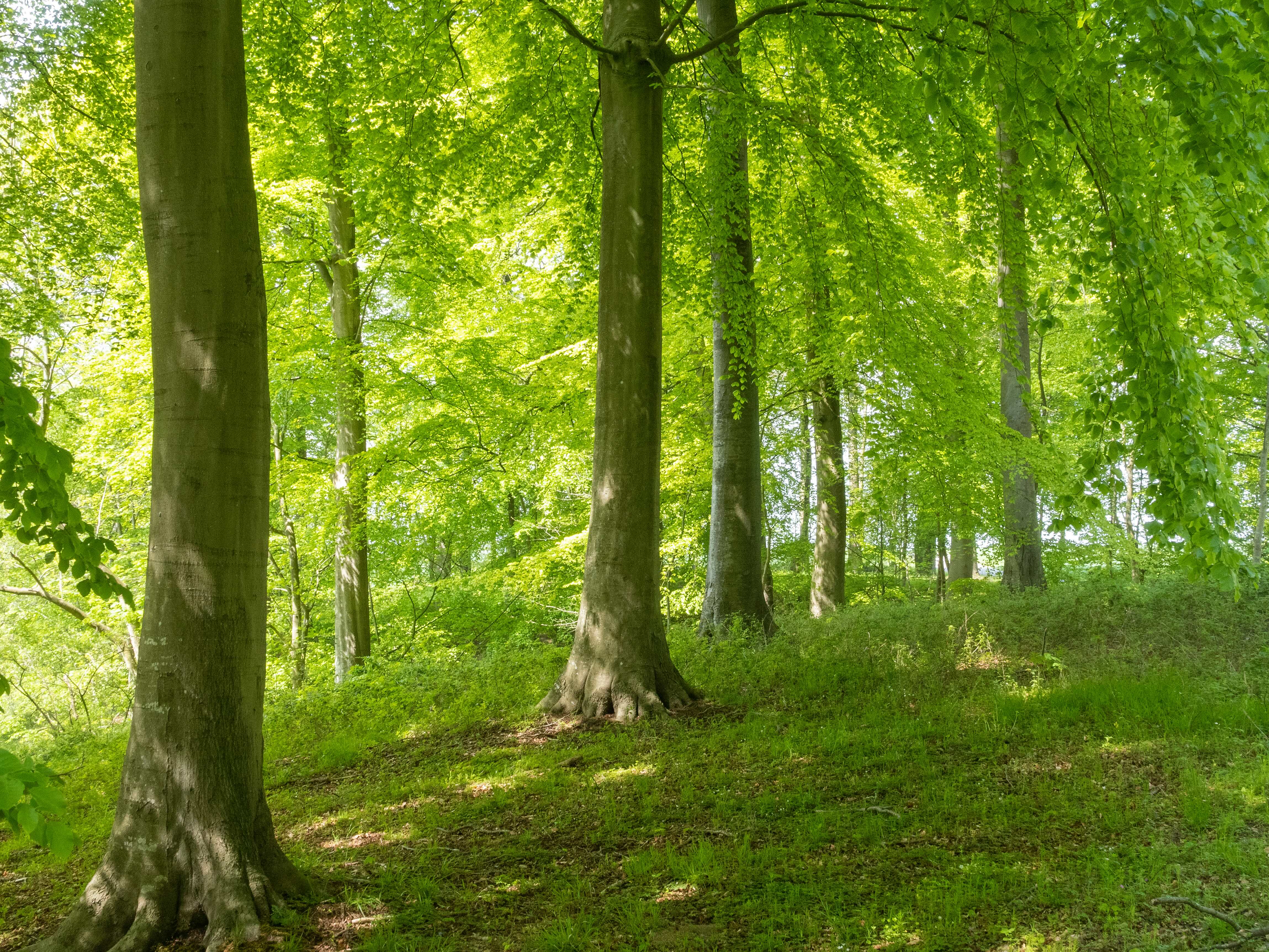
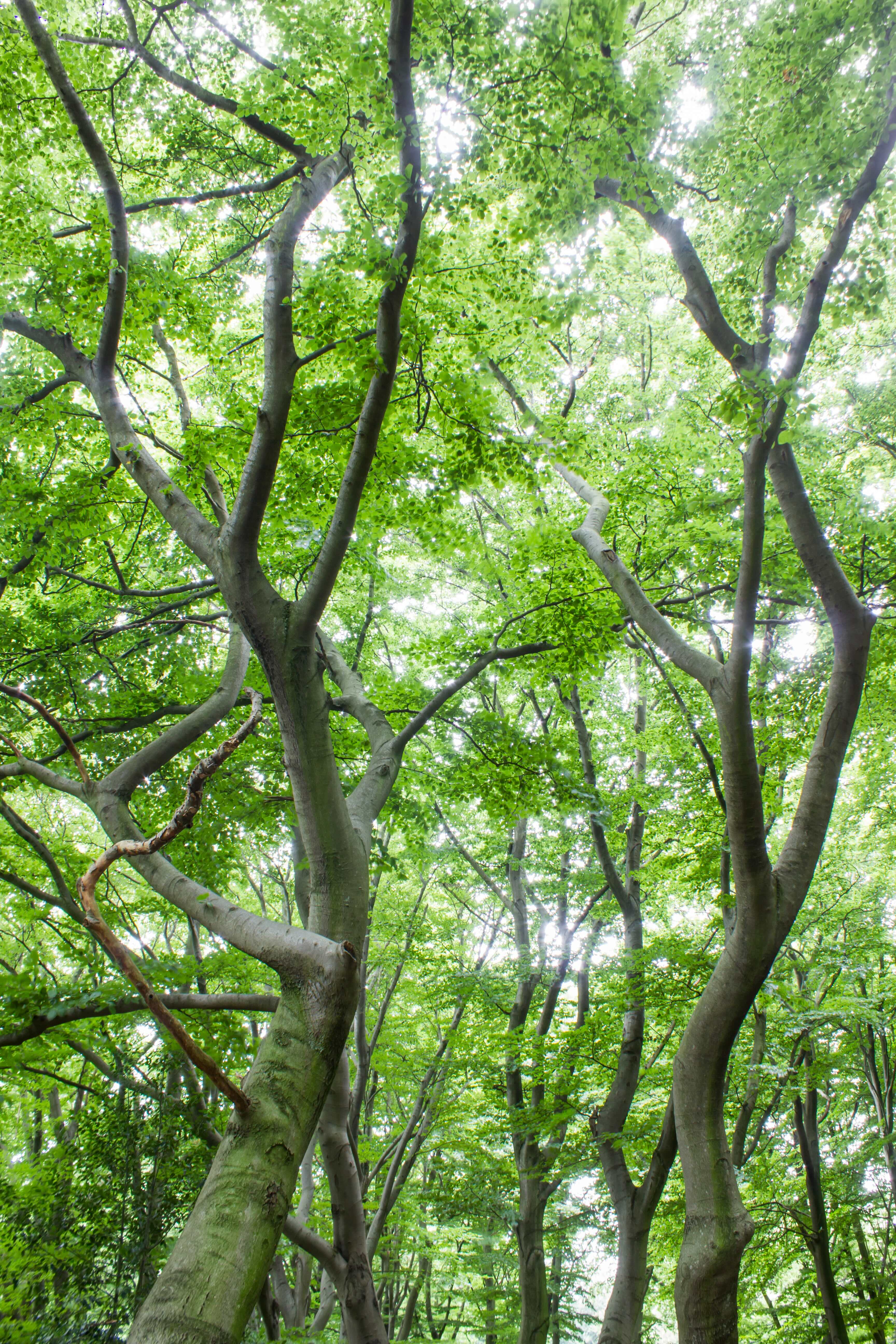
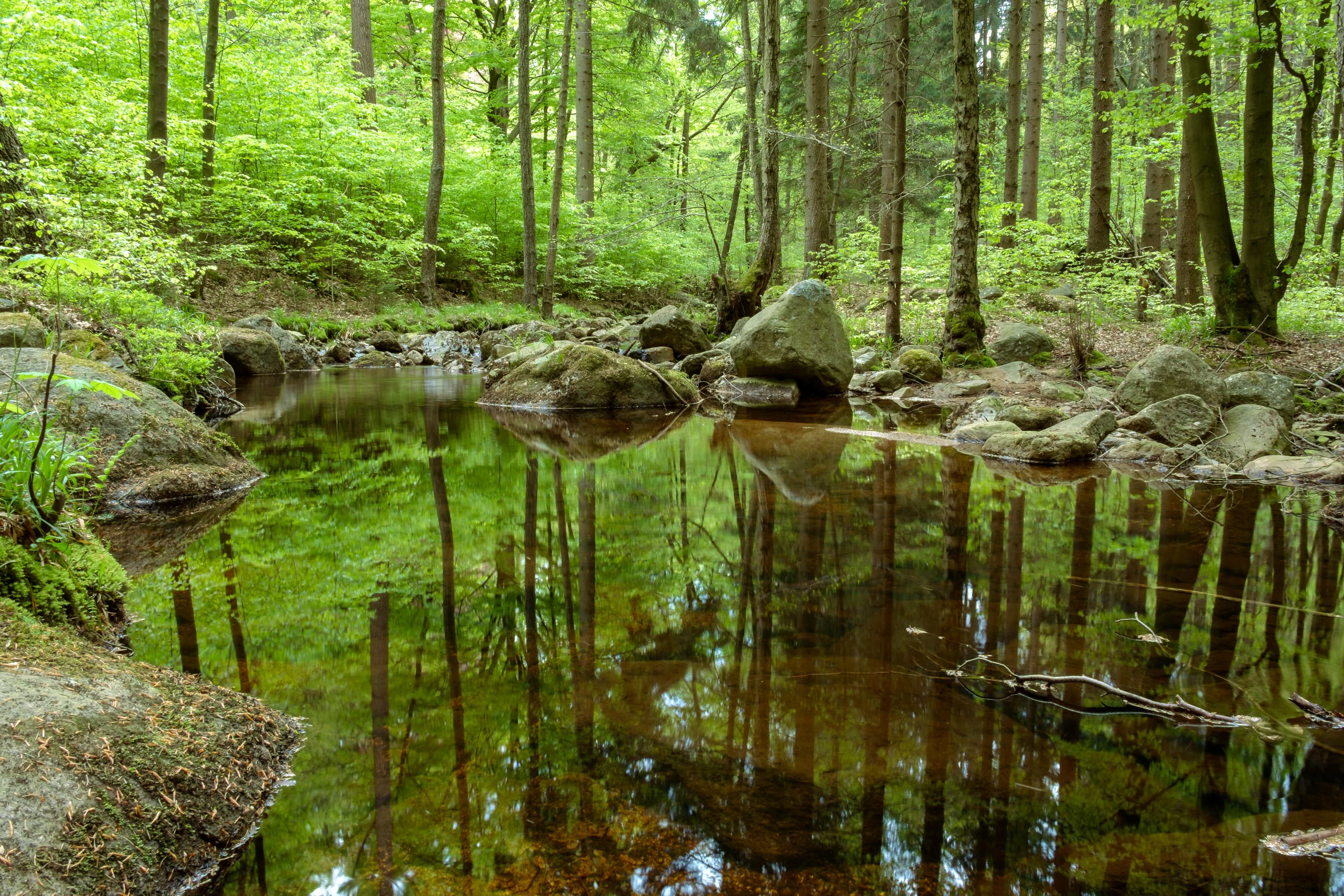
The project area includes a mosaic of near-natural deciduous forest habitats typical for Central European beech–oak landscapes. These biotopes correspond to several EU Habitats Directive (FFH) habitat types, supporting rich biodiversity and providing important ecological functions such as habitat connectivity, soil protection and climate resilience.

Beech-Dominated Forest Habitats

Large parts of the project area consist of Luzulo-Fagetum (9110) and Asperulo-Fagetum (9130) beech forests. These habitats are characterized by mature beech stands, complex canopy layers and diverse herb vegetation. On nutrient-rich soils, these forests can develop old-growth structures with large habitat trees and significant deadwood accumulation.
Mixed and Special Habitat Types

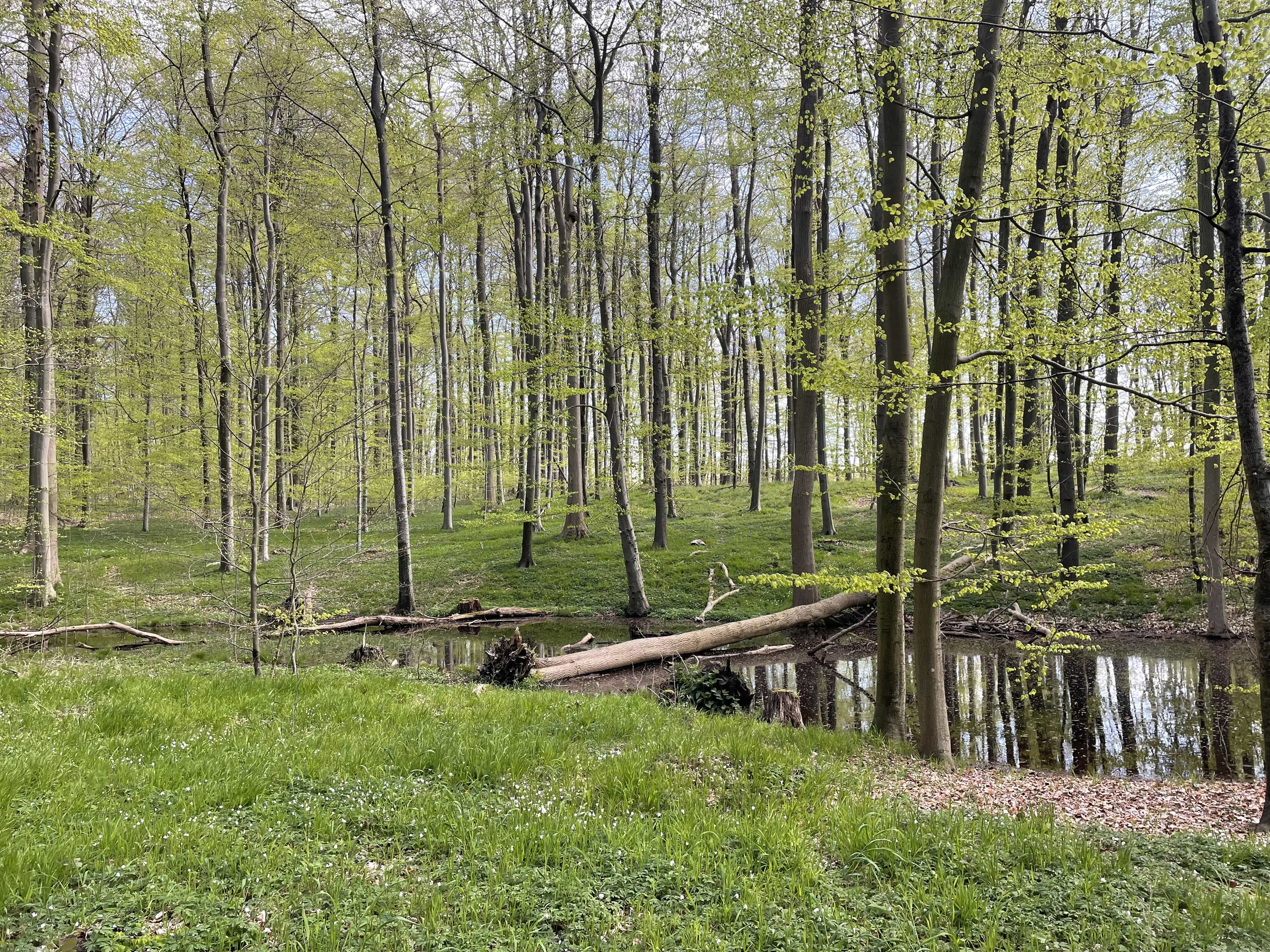
Other important habitats include oak–hornbeam forests (9170), ravine forests (9180) and limestone beech forests with orchids (9150). Moist valleys and streams support alluvial forests (91E0), while rocky slopes and old oak stands provide specialized habitats such as calcareous rock vegetation (8210) and acidophilous oak forests (9190).

Learn more about the ecology.

Discover biodiversity, habitats and ecological value.