Dominant Tree Species
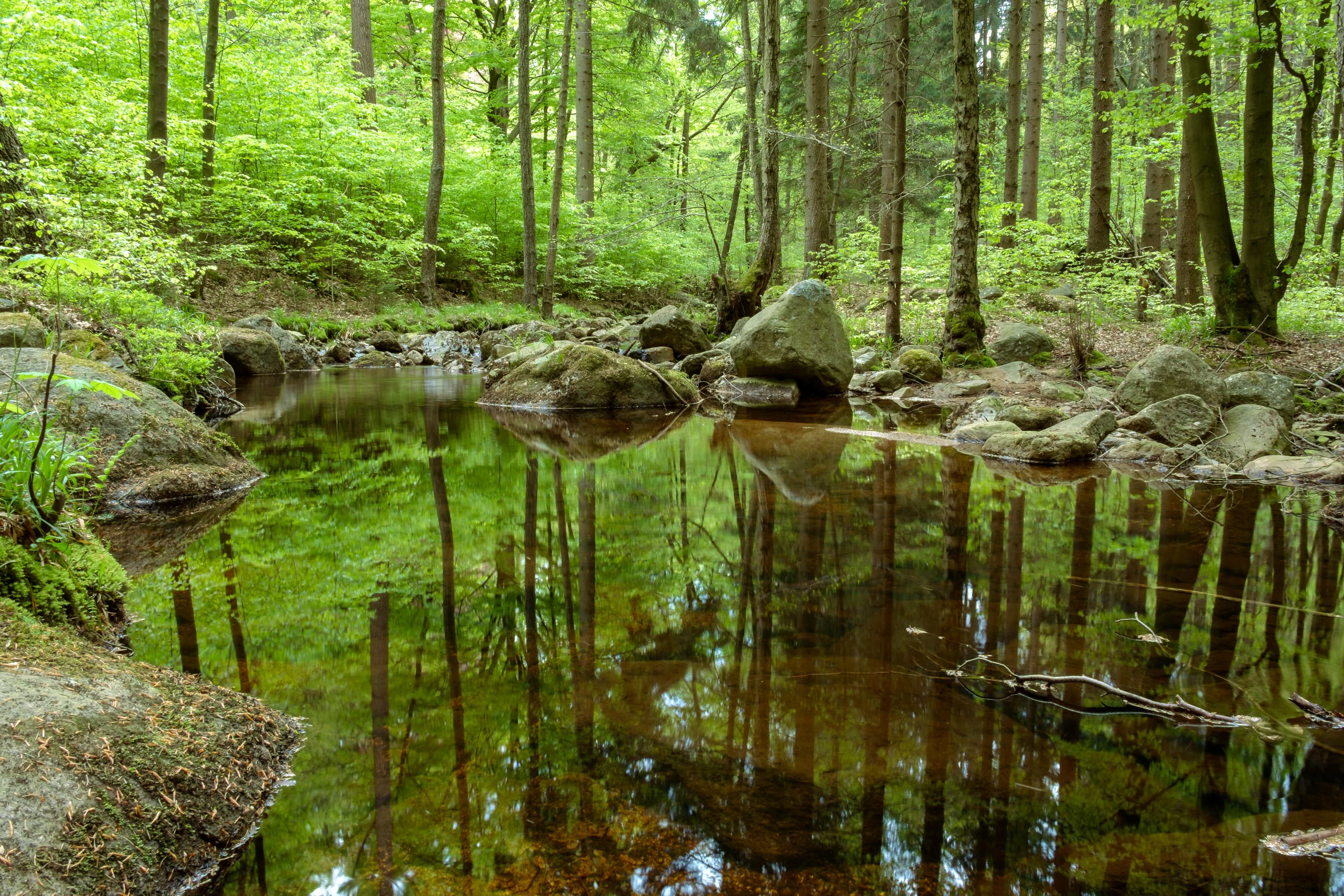
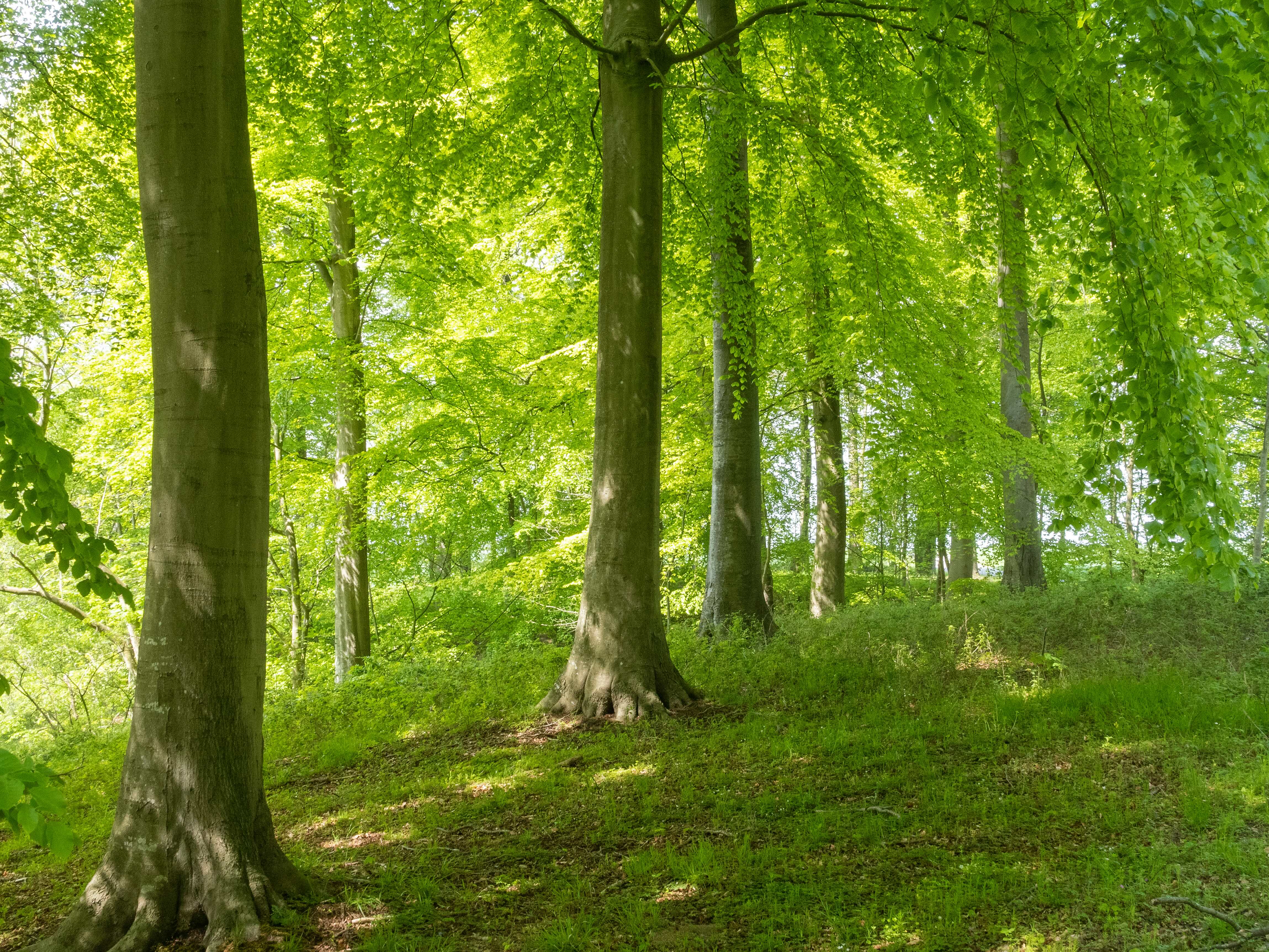
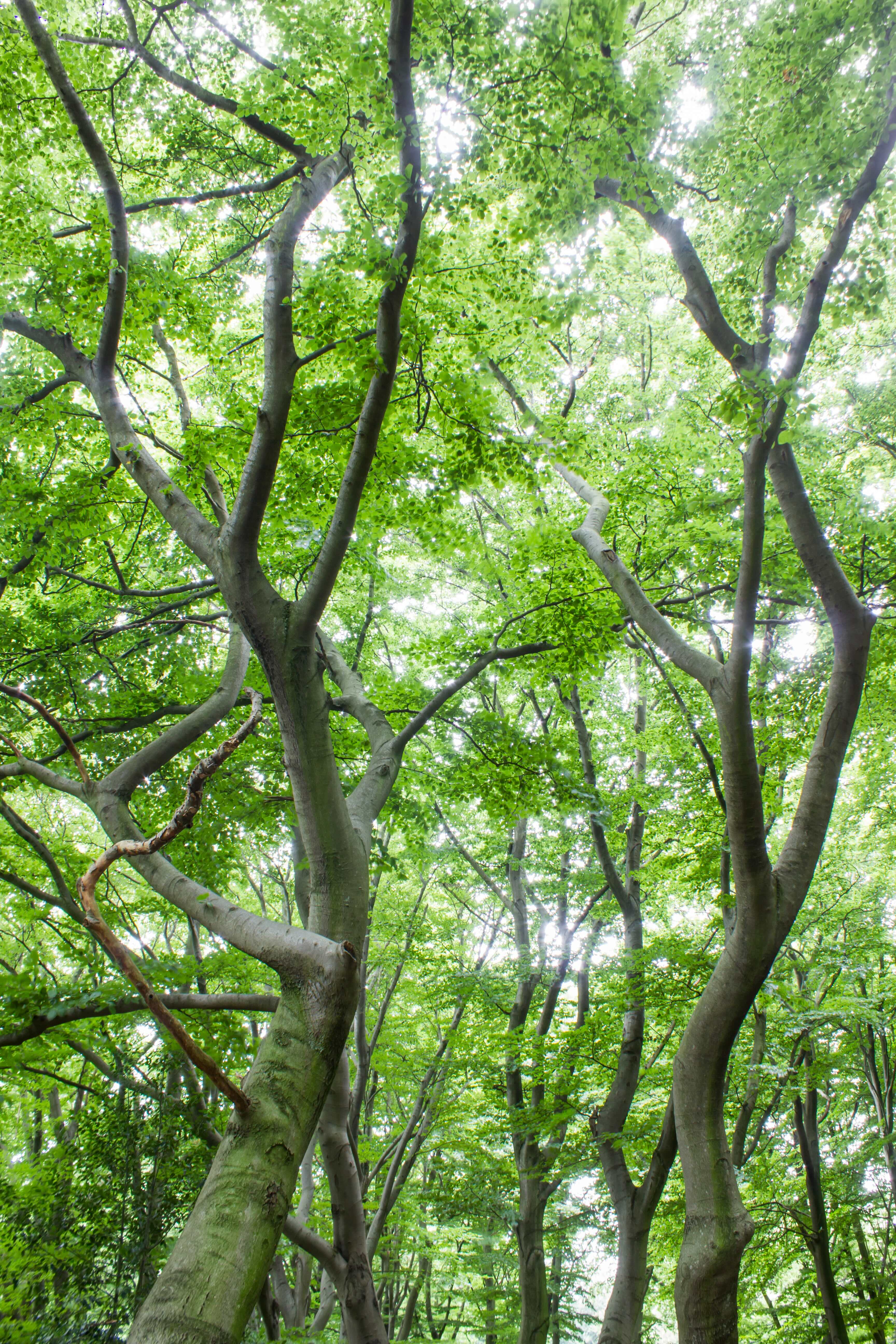
The forest stands are primarily composed of European beech (Fagus sylvatica), pedunculate and sessile oak (Quercus robur / Quercus petraea) and hornbeam (Carpinus betulus). These species form the structural backbone of Central European deciduous forests and are particularly well adapted to regional climate conditions. Their long lifespans and dense canopy structures allow forests to accumulate significant biomass and carbon over time.